
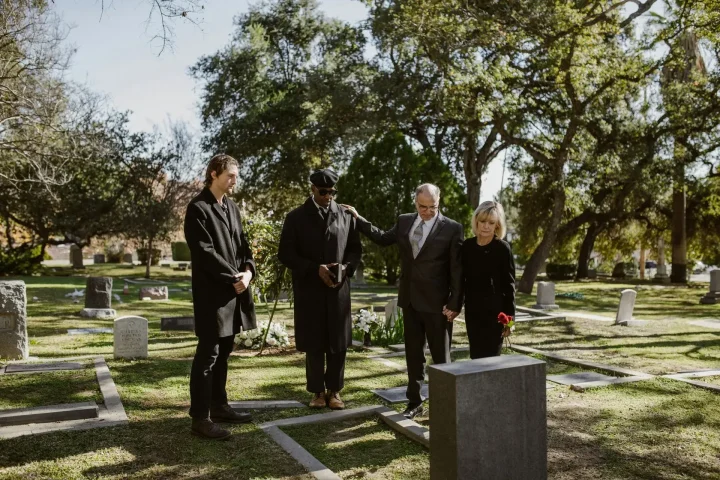
When someone passes away without a will in Tennessee, they are considered to have died intestate. This means their estate will be distributed according to Tennessee’s intestate succession laws—rules created by the state to determine who receives the deceased person’s property. While this process may sound straightforward, it can result in unintended consequences, delays, and confusion for surviving family members.
How Intestate Succession Works in Tennessee
In Tennessee, the probate court uses a specific order of priority to distribute property when no valid will exists:
- Spouse and Children: If you are survived by both a spouse and children, your estate is typically divided between them. If there is only one child, the spouse and child will each receive 50%. If there is more than one child, the spouse receives one-third of the estate, and the children divide the remaining two-thirds equally.
- Spouse Only: If there are no children, the spouse generally inherits the entire estate.
- Children Only: If there is no surviving spouse, the children inherit everything equally.
- No Spouse or Children: If you have no surviving spouse or children, the estate passes to your next closest relatives—typically parents, siblings, nieces, and nephews, in that order.
The Probate Process Without a Will
When there is no will, the probate court will appoint an administrator—usually a close family member—to manage the estate. This person must gather and inventory assets, pay debts and taxes, and distribute the remainder according to Tennessee law. The process can be time-consuming and may increase the chance of disputes among heirs.
Potential Complications
Without a will, several problems may arise:
- Family Disputes: Disagreements among relatives about how property should be divided are common.
- Unclear Guardianship for Minor Children: If you have minor children and no surviving co-parent, the court will decide who becomes their guardian.
- No Control Over Inheritance: Intestate laws do not consider your personal relationships, stepchildren, or charitable interests.
Why Creating a Will Matters
Having a will allows you to:
- Choose how your assets are distributed
- Name guardians for your children
- Appoint someone you trust to manage your estate
- Help your loved ones avoid unnecessary stress and delays
At Todd Hull Law PLLC, we help individuals and families in Johnson City, Tennessee create clear and legally sound estate plans. Whether you need to draft a will or navigate probate without one, we are here to guide you every step of the way.