
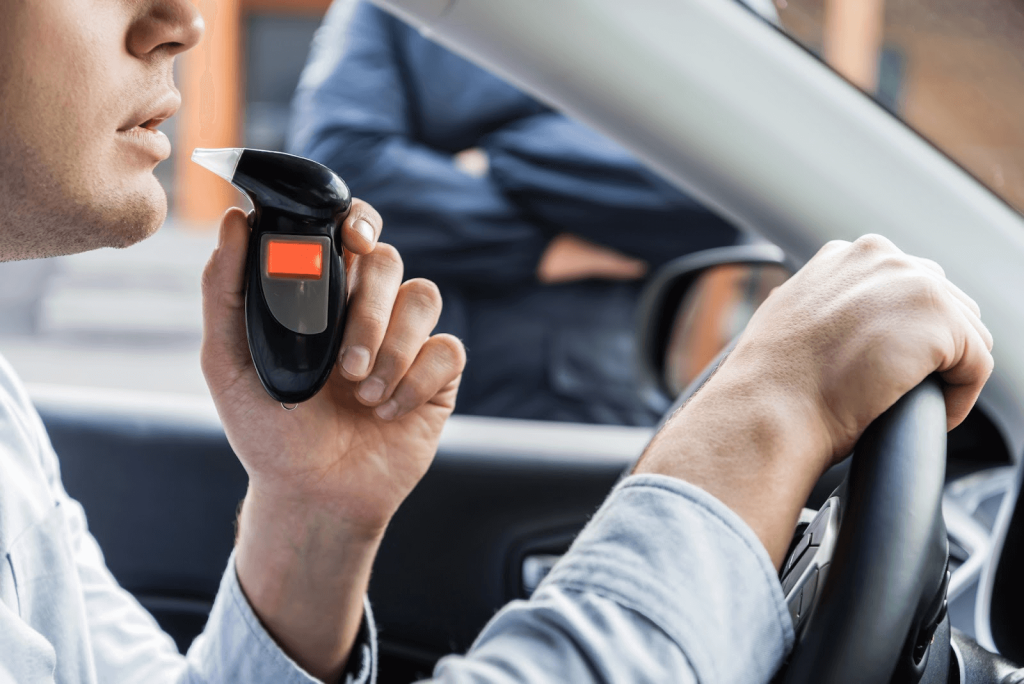
While a DUI, called a DWI under North Carolina law, may seem like a self-evident charge for an intoxicated driver, the exact circumstances that qualify as a DUI may be more complex than many realize. Specific North Carolina statutes may have penalties for intoxicated individuals even when they are not actively driving a car. With Saint Patrick’s Day 2026 around the corner, drivers should stay up to date on DWI laws to stay safe, avoid accidents, and drink responsibly. Understanding the consequences of a drunk driving accident, in both property damage and legal liability, can help keep roads safe.
However, understanding DUI and DWI laws is only the first step. For those charged with a DWi in North Carolina, legal representation is paramount. King Law Offices has operated in North Carolina for over two decades, bringing over 350 years of legal experience to the table. A skilled criminal law attorney can review a DUI case and provide legal insight regarding your options. Reach out to the office that has served more than 84,000 clients at (888) 748-5464 and schedule an initial consultation today.
How Do I Prevent a St. Patrick’s Day DUI or DWI?
Preventing a DUI accident often hinges on preparation. Determining a designated driver for groups, drinking responsibly, and avoiding situations in which you may get behind the wheel of a vehicle while intoxicated can help reduce the risk of an accident. However, after a St. Patrick’s Day DWI accident, a skilled attorney may be able to help navigate the fallout and legal liability.
Summary of North Carolina DUI and DWI Laws
In North Carolina, a DWI charge applies broadly to any individual who operates or has physical control of a vehicle while impaired by alcohol, drugs, or certain medications, with strict legal thresholds and potentially significant penalties.
- North Carolina law treats all impaired driving offenses under the single charge of DWI, regardless of whether impairment involves alcohol, controlled substances, or prescription medications.
- A blood alcohol concentration of 0.08 percent or higher meets the legal threshold for impairment, but individuals may still face charges if impairment affects their ability to operate or control a vehicle safely.
- Courts may consider physical control of a vehicle sufficient for a DWI charge, meaning individuals can face legal consequences even if the vehicle is not actively in motion.
King Law Offices serves individuals throughout North Carolina and provides legal guidance regarding DWI charges, applicable statutes, and potential legal procedures.
Understanding North Carolina’s Drunk Driving Laws
While some universal principles apply to DUI accidents across the United States, each state has unique statutes, policies, and penalties for drunk driving accidents. This is why understanding North Carolina DWI laws is so crucial for partygoers and drivers in the state. The influence of state-specific laws could change key points of the case and call for a different legal strategy.
Is There a Difference Between DUI and DWI?
Since the 1983 Safe Roads Act, North Carolina has had a straightforward policy on drunk or impaired driving in the state. All forms of impairment, drugs, alcohol, and prescription medication, are included under the single charge of a DWI. While the terms DUI (Driving Under the Influence) and DWI (Driving While Intoxicated) are typically used interchangeably, some states ascribe different levels of legal liability to either or associate the charges with different substances. This is not the case in North Carolina. However, many people still refer to the charge as a DUI colloquially, despite the specific terminology codified in state law.
Speak with an experienced North Carolina drunk driving lawyer from King Law Offices to learn more about DWI charges.
North Carolina Legal BAC Limit
The legal blood alcohol content (BAC) limit in North Carolina is 0.08 percent. Driving or having control of a vehicle with this BAC or higher may lead to DUI charges that could have serious consequences. However, the legal consequences are not the only concern. While the legal consensus presents that 0.08% is the point at which drivers become too dangerous to be on the road, every individual is different in their tolerance. The North Carolina Driver’s Handbook says that even a BAC as low as 0.05% has been associated with a higher risk of accidents. Any form of impaired driving could increase the risk of a dangerous accident.
Is Physical Control of a Vehicle Enough for a DWI?
Many people assume that driving a vehicle is what will result in a DWI charge. After all, if the impaired individual is not driving, how could they be charged with driving under the influence? However, a “driver” as defined by the courts may include any individual in physical control of a vehicle, such as sitting in the front seat with the engine running, holding the keys, or otherwise controlling the vehicle. This means that even if a St. Patrick’s Day partier simply waits in the front seat of their car with the engine running for heat, they may still be guilty of a DUI in some select circumstances.
Does a DUI Charge Apply to Drugs Too?
North Carolina does not have a separate charge for driving while impaired by drugs or prescription medicines. This means that alcohol and drug-related driving accidents are charged under the same statute. Using controlled substances while driving could be very dangerous, in some cases just as dangerous as driving under the influence of alcohol. While the nuances of a DUI defense may vary slightly based on whether the impairment was drugs or alcohol, the legal foundation is generally the same.
Penalties for DWI Charges in North Carolina
Sentencing and penalties for DWI offenses in North Carolina can vary significantly, depending on aggravating factors and prior convictions. The lowest level of punishment for a DUI in North Carolina carries a maximum fine of $200, a minimum of 24 hours’ imprisonment, and a maximum of 60 days’ imprisonment. However, for the most extreme cases, fines could be as large as $10,000 and jail time as long as 3 years. In most cases, regardless of severity, drivers may face license suspension, drug and alcohol driving safety programs, and IIDs (Ignition interlock devices) installed in their vehicles. Additionally, North Carolina has certain stipulations for repeat or habitual offenses that could impact sentencing.
Speak with a Criminal Law Attorney from King Law Offices Today
With holidays like Saint Patrick’s Day often revolving around bars and drinking, understanding proper road safety, the impacts of alcohol on driving ability, and the consequences of a DWI conviction is paramount. Preventing a DUI with careful planning, restraint, and wise decisions can help avoid the consequences of a drunk driving accident, but even the best laid plans go wrong. In the aftermath of a DWI, skilled legal counsel can help you evaluate your options and move forward with confidence. Contact an experienced drunk driving attorney from King Law Offices today at (888) 748-5464 to learn more about your legal options in North Carolina.
Important FAQs About Drunk Driving Laws
The following frequently asked questions address important legal and procedural aspects of DWI laws in North Carolina.
What Is Considered A DWI In North Carolina?
A DWI in North Carolina refers to operating a vehicle while impaired by alcohol, drugs, or certain medications. The law focuses on impairment rather than the specific substance involved. This means both alcohol-related and drug-related impairment may result in the same type of charge.
Is There A Legal Difference Between DUI And DWI In North Carolina?
North Carolina uses the term DWI as the official legal designation for impaired driving offenses. While DUI is commonly used in casual conversation, state law does not distinguish between DUI and DWI as separate charges. All impairment-related driving offenses fall under the DWI statute.
What Is The Legal BAC Limit In North Carolina?
The legal blood alcohol concentration limit is 0.08 percent for most drivers. Meeting or exceeding this threshold may result in a DWI charge. However, impairment may still be considered even at lower BAC levels if driving ability appears affected.
Can Someone Be Charged With A DWI Without Actively Driving?
In some cases, yes, physical control of a vehicle may be sufficient for a DWI charge. Courts may consider factors such as sitting in the driver’s seat, possessing the keys, or having the engine running. These circumstances may indicate control of the vehicle even if it is not moving.
Do Drug-Related Impairments Qualify For A DWI Charge?
Yes, impairment caused by controlled substances, prescription medications, or other drugs may result in a DWI charge. North Carolina law does not separate alcohol-related impairment from drug-related impairment. Both fall under the same legal framework and may carry similar consequences.
What Penalties May Apply After A DWI Conviction In North Carolina?
Penalties vary depending on factors such as prior offenses, aggravating circumstances, and the level of impairment. Possible consequences include fines, imprisonment, license suspension, and mandatory substance education programs. In some cases, ignition interlock devices may be required.
How Can King Law Offices Assist With DWI Charges In North Carolina?
Individuals facing DWI charges may benefit from understanding their legal rights and available defense strategies. Attorneys at King Law Offices could help review the circumstances of a charge, explain applicable laws, and clarify potential legal options. Consider visiting with an experienced attorney to learn more about legal procedures and possible next steps.






