
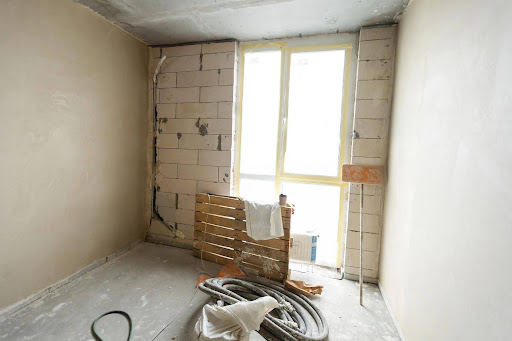
If a contractor doesn’t finish a job on your home, your legal options are likely to depend partly on the contractor’s own conduct, and partly on the scope of financial losses you have suffered and – depending on the situation – still stand to incur. The state’s licensing board provides options for consumer complaints and even for formal charges under N.C.G.S. § 87-11(a)(a1), but these avenues may not always recover a homeowner’s losses from an unfinished construction project. A conversation with a North Carolina attorney familiar with contractor disputes may serve to clarify the options available in your situation. Schedule a consultation with a member of the King Law Offices team to review the circumstances of your case and get help weighing the risks and benefits of the various paths you might pursue. Call us today at 888-748-5464 to get started.
Can a Contractor Leave a Job Unfinished?
If a contractor you hired to carry out repairs or improvements on your home stops showing up to work while the building project is still incomplete, you may naturally wonder: “Can they really do that?” Numerous factors can affect the legal options available in this situation, both for contractors and for homeowners
One of the first things you will likely want to check as a homeowner frustrated by unfinished contracting work is the document outlining the terms of your agreement with the building contractor. The range of legal options available for seeking a resolution to your situation will depend to some extent on whether there is a clear discrepancy between the contractor’s obligations as spelled out on paper and their performance of work documented on-location.
Contract Breaches: A Very Brief Guide for Homeowners
The North Carolina Licensing Board for General Contractors (NCLBGC) exists partly because the State of North Carolina acknowledges that the context and the circumstances of a contractual agreement between a homeowner and a general contractor hired to repair or improve on a family dwelling – sometimes even while the family is actively in residence at the location – are not quite the same as those that normally surround the negotiation and fulfillment of a contract between two businesses. Whereas businesses negotiating an arrangement intended for their mutual benefit are presumed to be entering the negotiation (and the contract) on equal footing, state regulations governing building contractors and their activities are based, in part, on an understanding that homeowners will almost always have less experience with this specific type of negotiation than the contractor providing an initial quote, and that – irrespective of business acumen – homeowners who urgently need construction work on their primary residences may often be entering the transaction at something of a disadvantage. For these reasons, North Carolina law puts robust consumer protections in place, and the NCLBGC provides a few distinct avenues for seeking assistance and enforcement.
That said, assuming the terms of your agreement with a general contractor do not otherwise violate state law, enforcement will depend – as with any other contract – on what each party promised, and what they have delivered. A review of a few essential terms from contract law may be helpful here. The first, and central, is “breach of contract,” which may apply to any situation in which either party to a contract fails to do what they have signed an agreement promising to do. The situation is more complex than this easy definition may suggest, however, as there are several ways a breach of contract may take shape, and not all of them imply the same range of legal approaches.
Actual vs. Anticipatory Breach
The first nuance in a breach of contract case that homeowners may wish to consider is the distinction between an actual breach vs. an anticipatory breach. An actual breach of contract occurs when one side or the other has already definitively failed to “perform” (fulfill) one or more of their obligations as described in the terms of the contract. Homeowners in the position of considering the unfinished work on their homes may easily wonder, “If a contractor doesn’t finish the job, isn’t that an actual breach?” The answer, in many cases, will depend on the terms set out in the contract regarding the timeline for project completion. Imagine a contract specifies that work will be completed within 90 days, and you are frustrated on the 73rd day because you have not seen or heard from the contractor in more than a week. Unless the contract also establishes a clear schedule for check-ins regarding progress on the work that the contractor has failed to provide, the lack of progress does not, with more than 15 days left before the promised completion date, necessarily constitute an actual breach of contract.
Besides actual breach of contract, you may sometimes encounter an anticipatory breach of contract. These are situations in which an actual breach of contract has not yet occurred, but there are clear indications that a breach is imminent. Homeowners may be surprised to learn that anticipatory breaches of contract often come in the form of one party simply notifying the other that they will be unable to keep their contractual obligations, for one reason or another.
Depending on the circumstances, making this kind of disclosure can give an honest contractor who has been caught in an unfortunate situation (common reasons include difficulties procuring needed supplies and unexpected personnel problems) a chance to “make things right” by proposing an alternative that the homeowner may find acceptable. Less happily, you may become aware that a contractor is anticipating a failure in their agreed-upon obligations when it becomes clear that they have not completed the work according to the agreed specifications, or when careful review of progress and schedule confirms that the contracting team would need a minor miracle to complete the work by the established deadline.
Minor vs. Material Breach
If a contractor doesn’t finish a job on your home, you may want to get an opinion from an attorney who can listen to the details of your situation and help you understand what remedies may be available to you, based on the circumstances of your case. If you do decide to schedule a consultation with King Law Offices, try to bring a copy of your agreement with the contractor, as a North Carolina lawyer for contractor disputes will likely want to evaluate the precise wording of the contract.
One of the elements an attorney will usually be evaluating in this type of situation is whether the contractor’s conduct constitutes a material vs. minor breach of their contractual obligations toward the homeowner. The distinction between material vs. minor contract breaches can sometimes be very fine, but a material breach nullifies the original purpose of an agreement, while a minor breach is a failure to fulfill one or more terms of the contract that does not prevent the rest of the agreed-upon promises from taking shape.
The North Carolina Homeowners Recovery Fund, created as a last resort for homeowners who have been otherwise unable to recover their losses from incompetent or dishonest contractors, requires anyone filing a recovery claim to have first tried and failed to secure compensation through a civil lawsuit in the North Carolina courts. Courts, generally speaking, prefer to preserve the essence of a contract in the face of a minor breach whenever possible, while the remedies they may consider in case of a material breach are more likely to include awards of damages. The material vs. minor distinction can play a substantial role in the nature of the legal remedies available in a particular situation.
Steps To Take if a Contractor Doesn’t Finish a Job on Your Home
With this background of contract breaches in mind, there are a few steps you can take before deciding to pursue formal legal action. Achieving a resolution outside of court can sometimes save a homeowner time and money, so many attorneys will recommend trying several non-litigation methods of resolving a contractor dispute prior to filing a claim in court. Some of the most commonly applicable options include:
- Attempt to reestablish contact with the contractor. If a contractor doesn’t finish a job due to adverse circumstances (for instance, those leading to an anticipatory breach of contract), then the company or the individual performing the work may already have been in touch with you. Even if you are highly frustrated, as long as the contractor is responding to your attempts at communication, it may be easier and faster to work with them to get the project completed, as compared to seeking legal remedy and hiring someone new.
- File a complaint with the NCLBGC. If the contractor doesn’t finish a job and refuses to return your calls or messages within a reasonable timeframe – typically a few days – then it may make sense to file a request to file a complaint with the NCLBGC. The NCLBGC does have some “leverage” over general contractors operating in the state, primarily through the Board’s oversight of contractor licenses. However, the Board does not have the authority to compel contractors to pay damages, meaning the financial remedies available through this process are limited by the contractor’s willingness to cooperate. Additionally, the complaint form hosted on the NCLBGC website represents merely a request to submit a complaint, meaning there will likely be additional steps for follow-up.
- Consult with a lawyer. The course of action that makes the most sense when a contractor doesn’t finish a job can depend on a wide variety of factors, including the scope of work left uncompleted, the contractor’s licensing status, and the extent of the financial losses the homeowner has sustained. Talking with a North Carolina attorney can often help you to gain a more complete picture of how the elements present in your personal situation fit into the broader context of North Carolina laws and regulations governing building contracts, which in turn can put you in a position to make an informed decision about your next steps.
Few experiences in homeownership are more frustrating than the delays and impediments that can begin to pile up if a contractor doesn’t finish a job. Usually, a homeowner will have some options for rectifying the situation, but choosing the most appropriate path often benefits from a breadth of perspective that most private homeowners do not possess from personal experience.
Discuss Your Situation With an Attorney
If a contractor doesn’t finish a job on a home, the resulting delays and confusion can cause extended financial and emotional stress for a family, in addition to day-to-day inconveniences associated with either living somewhere other than their home or arranging their daily activities to accommodate an unfinished construction site in the midst of their home. North Carolina homeowners understandably want to resolve this type of situation as quickly as possible. Call the King Law Offices team today to schedule an appointment and discuss your contractor dispute with an experienced professional. You can reach us at 888-748-5464 throughout North Carolina.






