
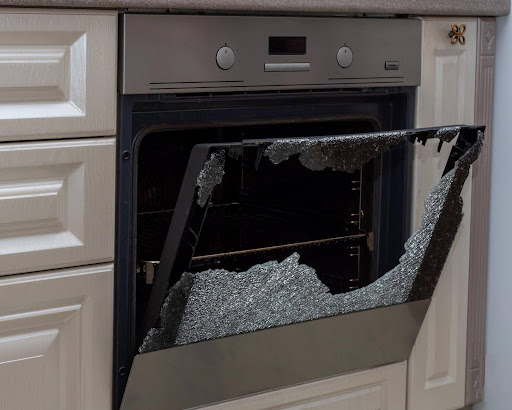
Product liability is a very prevalent field of law, as defective products in Tennessee and the surrounding areas are a common cause of injury. The National Safety Council even reported an 18% increase in defective product injuries in 2024. Injuries resulting from defective products may signal negligence on the part of the designer, manufacturer, or retailer, and any of these situations may provide grounds for a personal injury lawsuit. However, there are unique legal particulars that govern cases like these, which means the counsel of an experienced product liability lawyer in Tennessee can be a great asset.
Tennessee product liability attorneys are trained to understand local negligence laws and court processes, so they can represent their clients effectively. However, this is just a small part of the skills and capabilities that an attorney can offer. Product liability attorneys can conduct research and gather information on the defective product to help support a compensation case, and they can also synthesize this information into a compelling case, which can be used both in court and in negotiations with insurance companies. Schedule a consultation with a Johnson City, Tennessee product liability attorney by calling King Law Offices at (888) 748-5464 today.
What is the Role of a Tennessee Product Liability Attorney?
Tennessee product liability attorneys review cases for their clients, helping to assess the value and validity of claims and build a compelling argument for the courtroom or insurance negotiations. A product liability lawyer is both a legal resource for clients to understand the issue at hand and the value of their claim, but also an advocate for their legal rights. A Tennessee attorney’s role is to handle the legal aspects of a case and help fight for the injured party’s right to compensation.
Summary of Tennessee Product Liability
Tennessee product liability law addresses injuries caused by defective products and outlines how negligence by designers, manufacturers, or retailers may create legal liability.
- Injuries linked to design defects, manufacturing defects, or marketing defects may provide grounds for a personal injury claim under Tennessee negligence standards.
- Key legal rules, including modified comparative negligence and the one-year statute of limitations, determine whether an injured party may pursue compensation.
- Accurate documentation of injuries, medical costs, and product failures plays a central role in evaluating the value and validity of a product liability case.
The team at King Law Offices assists individuals with Tennessee product liability matters that involve state negligence rules, court procedures, and case evaluation.
Product Liability Laws
Several product liability laws in Tennessee can directly impact and shape the outcome of a case, including modified comparative negligence and the statute of limitations. Modified comparative negligence, according to the Tennessee Board of Law Examiners, means that contributory fault of 50% or more may bar the plaintiff from compensation. For cases where the plaintiff is less than 50% liable for the incident, the awarded compensation will be reduced by that amount.
Additionally, if personal injury claims are not filed within the time limit specified for the claim type, the injured party may not be able to file a claim. For product liability cases, the Tennessee statute of limitations is one year from the date of the injury. Additionally, it is important to note that the one-year period begins on the date of injury, not the date of negligence or sale of the product, according to the Tennessee Code § 28-3-104.
For more details on how Tennessee law can impact a product liability case, speak with a personal injury attorney from King Law Offices today.
Common Issues in Product Liability Cases
Product liability cases are built on the legal foundation of entities being responsible for the damages they have caused by their negligence. The majority of the legal process revolves around evaluating those damages and proving that the negligent actions had a hand in causing them. As such, there are common issues and challenges that arise in product liability cases that could impact how the case is pursued.
Types of Defects
Generally, there are three areas in which a company may be negligent that could cause injuries to consumers. Design defects, manufacturing defects, and marketing defects are the three primary causes of injuries from defective products, each originating in a different stage of the development process.
- Design defects: Flawed or poorly tested designs may lead to product failure and can cause injury.
- Manufacturing defects: Low-quality or improper materials used in the manufacturing plants could cause a product to fail, which could be grounds for a product liability case.
- Marketing defects: While not what many would consider a defect, failure to educate the consumer of potential risks or hazards of a product may also signal negligence on the part of the manufacturer.
When filing a product liability case, the plaintiff may need to research the origin of the defective product and seek the input of experts to prove that the product failure was caused by one of these defects. Hiring expert witnesses is often a key factor in product liability cases.
Injuries
Additionally, the type and extent of the injuries suffered can play a significant role in the outcome of a case. The amount of compensation awarded generally hinges on the financial cost of the damages. These are calculated through compiling documentation of medical bills, hospital fees, treatment costs, and other related expenses. For cases involving non-economic damages, more nuanced methods of calculation may be used. Accurately cataloguing injuries can help support the validity of a product liability case and may be used to prove that the damages claimed were not pre-existing.
Benefits of Hiring a Product Liability Lawyer
While the services of a product liability attorney are not required when pursuing compensation for a defective product injury, the assistance of a skilled legal professional can be invaluable. A Tennessee product liability lawyer may have unique and specialized insight into court procedure and state-specific laws, and can help build a case that is effective and compelling.
Research and Evidence Gathering
One of the less-represented areas in which an attorney can benefit a case is in research and evidence gathering. Claims for compensation are built on facts. This means that any product liability case must include facts that suggest, or even outright prove, that the manufacturer was negligent in producing and selling the product that caused the injury. Additionally, the attorney can help compile a comprehensive list of medical records and transactions to reaffirm the value of a settlement.
Legal Representation
A Tennessee product liability lawyer can also represent their client both in court and to insurance companies. A large portion of the legal process involves lengthy and complex court discussions or working with large insurance companies to advocate for a fair settlement. An attorney can use their understanding of the law to advocate for fair compensation for injuries sustained.
Speak with a Tennessee Product Liability Lawyer Today
Tennessee product liability can be complex and overwhelming, but it does not have to be. An experienced personal injury attorney in Tennessee from King Law Offices can help with your claim by evaluating the case and providing legal advice on how to proceed. The assistance of a legal professional can help provide peace of mind and ease anxieties by providing clear explanations of likely outcomes and relevant state laws. Call a product liability lawyer from King Law Offices today at (888) 748-5464 for a personalized consultation.
Important FAQs Regarding Product Liability in Tennessee
Listed below are several frequently asked questions regarding product liability and defective product injuries in Tennessee.
What Is Considered a Defective Product in Tennessee?
A defective product is an item that contains a design flaw, a manufacturing error, or inadequate warnings that make it unreasonably dangerous for consumers. Tennessee law recognizes these three categories as potential grounds for a product liability claim. Each type of defect involves different forms of evidence and legal analysis.
How Does Modified Comparative Negligence Affect a Product Liability Case?
Tennessee uses a modified comparative negligence rule that may limit compensation if the injured party shares some responsibility for the incident. Individuals who are 50% or more at fault may be barred from recovering damages. When fault is below 50%, the award may be reduced according to the percentage of responsibility assigned.
What Deadlines Apply to Tennessee Product Liability Claims?
Tennessee requires most product liability claims to be filed within one year of the date of injury. Missing this deadline may prevent an injured individual from pursuing a claim in court. Early case review helps ensure that filing requirements are met.
Why Are Expert Witnesses Important in Product Liability Cases?
Expert witnesses help explain whether a product failed due to a design, manufacturing, or marketing defect. Their analysis may strengthen the connection between the product’s condition and the injuries sustained. Expert testimony also helps clarify technical issues for judges, juries, and insurance adjusters.
What Types of Evidence Strengthen a Product Liability Claim?
Useful evidence often includes photos of the defective product, purchase records, repair history, and documentation of injuries. Medical records, treatment invoices, and expert evaluations may help verify the extent of damages. Thorough evidence collection supports the legal and factual basis of the claim.
How Do Injuries Influence the Value of a Product Liability Case?
The severity of injuries, medical treatment needs, and long-term consequences all influence case valuation. Financial documentation, such as hospital bills and other expenses, helps determine the economic impact of the incident. Non-economic damages may require more complex assessment methods.
Can a Product Liability Claim Proceed Without an Attorney?
Individuals can file a product liability claim without legal representation, but the process often involves complex statutes and technical evidence. Legal counsel may help organize facts, communicate with insurance companies, and prepare a structured argument for negotiations or litigation. Many individuals find that professional guidance makes the process more manageable.
How Can King Law Offices Assist With a Tennessee Product Liability Case?
Attorneys at King Law Offices work to ensure that individuals understand Tennessee product liability laws, relevant deadlines, and potential legal strategies. The firm may assist with evidence gathering, case evaluation, and communication with insurers or opposing parties. Consider visiting with an experienced attorney at King Law Offices to learn more about available legal options.






