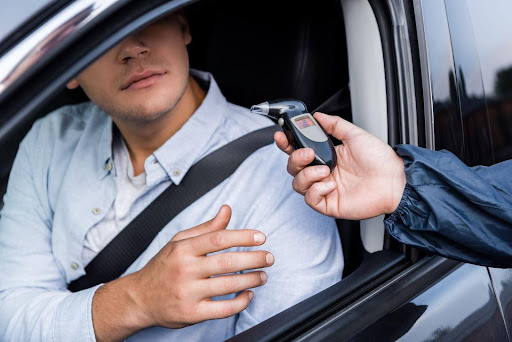
According to the National Highway Traffic Safety Administration (NHTSA), roughly 25% of motorists in the United States refuse to take Breathalyzer tests when directed to do so. This is a relatively large number, although many people who refuse Breathalyzer tests do not understand the consequences of their actions. Those who plan to refuse Breathalyzer tests in the future should understand how this might affect their criminal records and driving licenses. When is refusing a Breathalyzer test a smart choice? What do South Carolina traffic laws say about refusing Breathalyzer tests? Does it make more sense to accept the test instead? These are questions drivers might want to raise during consultations with their South Carolina DUI defense attorneys. Those who have already refused Breathalyzer tests may also work with defense attorneys to mitigate consequences. To learn more about the next potential steps, consider dialing (888) 748-5464 for King Law Offices. We serve South Carolina clients in Forsyth County.
South Carolina Gives “Implied Consent” to Breathalyzer Tests
When South Carolina motorists get behind the wheel, they give their “implied consent” to DUI testing. If South Carolina police officers stop a motorist and ask them to perform a Breathalyzer test, it is as if the motorist already agreed to comply. However, police cannot force motorists to blow into Breathalyzer devices. Even if motorists give their implied consent, they still have the right to refuse Breathalyzer tests. Section 56-5-2950 of the South Carolina Code of Laws specifically states that a motorist “does not have to take the test.” If a police officer physically forces a motorist to blow into a Breathalyzer test, this would likely be an example of illegal, excessive force.
The Six Month Driving Suspension for Test Refusal
Section 56-5-2950 states that if a motorist refuses a Breathalyzer test (or any other DUI test), their license “must” be suspended for a minimum of six months. This is one of the most daunting consequences for South Carolina motorists, especially as many people rely on their vehicles for work. Others need their licenses to attend medical appointments, pick up their children from school, or care for senior dependents. The loss of a driving license can affect many aspects of life, and some of the knock-on consequences may be difficult to predict. Drivers should be aware of this potential consequence before they refuse a Breathalyzer test. Those who have already refused Breathalyzer tests in the past may be subject to suspensions longer than six months.
Prosecutors Can Use Your Test Refusal Against You
Motorists should also know that if they refuse a Breathalyzer test, this refusal may be used against them in a subsequent DUI case. Note that refusing a breath test is not the same as remaining silent during an arrest or prosecution. While the Fifth Amendment states that courts cannot interpret silence as a sign of guilt, this does not extend to test refusals. Due to implied consent laws, prosecutors may attempt to imply that a motorist refused the test specifically because they were aware of their own intoxication.
You May Need to Participate in the Ignition Interlock Program
Those who refuse Breathalyzer tests may opt to participate in the Ignition Interlock Program. Although this is technically another consequence of test refusal, it might be beneficial. If a motorist agrees to have an ignition interlock device installed in their vehicle, they may be able to end their six-month license suspension early. An experienced DUI defense attorney at King Law Offices could potentially pursue a temporary alcohol license (TAL) on behalf of a motorist in this situation. This may allow South Carolina residents to continue driving while waiting for their hearings. A TAL could be vital as motorists attend work, medical appointments, and carry out other “essential activities.” Note that motorists may not be able to engage in recreational, non-essential driving with TALs.
Positive Consequences of Refusing Breathalyzer Tests
Not all consequences of test refusals are negative. This decision could be positive in certain situations, especially if motorists also refuse blood or urine tests after refusing Breathalyzer tests. In this case, there will be no chemical evidence of intoxication. As a result, prosecutors would have to rely only on the observations of the arresting officers to pursue a DUI conviction. These observations are inherently subjective, and an experienced defense attorney may be able to challenge them in court. Test refusal also allows motorists to request “implied consent hearings,” which may lead to temporary licenses within just a few weeks.
Many of these benefits revolve around the complete lack of chemical evidence for intoxication. As a result, it makes sense to “commit” to refusing tests after the first Breathalyzer refusal. If a motorist refuses the Breathalyzer test but consents to subsequent blood or urine tests, they may experience all of the disadvantages of the first refusal and none of the advantages. Note that prosecutors may push for more severe sentences for those who refuse Breathalyzer tests (as long as they eventually secure convictions).
Is Refusing Breathalyzer Tests a Criminal Offense?
Drivers will not face criminal charges for refusing Breathalyzer tests in South Carolina. Unlike other states, South Carolina has not made test refusal a separate criminal offense. Test refusal is essentially a traffic infraction – much like running a red light or speeding. That being said, refusing a Breathalyzer test is often connected with a potential DUI charge. In South Carolina, a first-time DUI with no aggravating circumstances is usually a class B misdemeanor.
Learn More About Refusing Breathalyzer Tests With King Law Offices
Although online education may help motorists become aware of the potential consequences of refusing Breathalyzer tests, a more active defense strategy may be necessary for those already accused of this traffic offense. Test refusal is not a criminal offense in South Carolina, but it can affect driving rights, careers, and many other aspects of life. A test refusal may only represent one legal issue amidst a larger DUI case, and a DUI conviction can lead to much greater consequences. Each case is slightly different, and it makes sense to create a defense strategy around the unique aspects of each situation. Motorists may want to discuss their specific circumstances with experienced DUI defense lawyers in South Carolina. To continue this conversation at King Law Offices, dial (888) 748-5464. Our South Carolina offices are conveniently located in Rock Hill.