
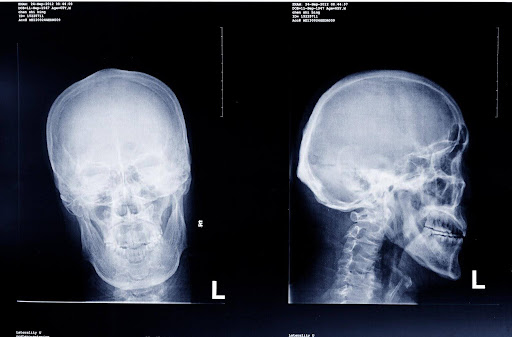
Traumatic brain injuries are generally categorized as either open head injuries or closed head injuries, and both categories have distinct medical and legal implications. However, these classifications are still quite broad, and there are many injuries that are considered closed head injuries. A 2025 study from the Brain Injury Association of America suggests that at least 64 million adults have experienced a traumatic brain injury (TBI) in their lifetime. Without skilled legal representation, the medical bills and other financial damages from a TBI could completely derail an individual’s life. In many cases, closed head injuries can have lasting consequences that could impact a victim’s earning capacity in the future.
An experienced personal injury attorney in Johnson City, Tennessee, York County, South Carolina, or Forsyth County, North Carolina, and the surrounding areas can help evaluate the damages from a traumatic brain injury. Our skilled attorneys, through research and collaboration, can help determine the value of a settlement and fight for compensation rights, which may include compensation for non-economic damages such as pain and suffering. For more details, speak with a skilled North Carolina personal injury attorney from King Law Offices today. Call at (888) 748-5464 to schedule a consultation.
What Legal Compensation is Available for Closed Head Injuries?
Victims of closed head injuries may be eligible for compensation for medical bills, emergency services fees, and other related costs that arise from the injury. Victims may also be entitled to compensation for lost wages, permanent disability, and reduced earning capacity. Additionally, depending on the extent of the injuries, compensation for non-economic or general damages, such as pain and suffering, may be available as well.
Summary of Legal Compensation for Closed Head Injuries
Closed head injuries and open head injuries differ in severity and treatment, and victims in North Carolina, South Carolina, or Tennessee may benefit from a personal injury attorney to secure compensation for medical bills, lost wages, and non-economic damages.
- Closed head injuries are more common than open head injuries and can cause lasting internal brain damage, including concussions, contusions, diffuse axonal injuries (DAI), and hematomas.
- Victims may pursue compensation for medical expenses, emergency treatment, lost wages, reduced earning capacity, permanent disability, and pain and suffering through personal injury claims.
- Open head injuries involve penetration of the skull and typically require immediate medical intervention, while closed head injuries may go undiagnosed but still have serious long-term consequences affecting legal claims.
Skilled personal injury attorneys with King Law Offices in North Carolina, South Carolina, and Tennessee can evaluate damages, gather evidence, calculate settlement value, and negotiate with insurance carriers or litigate claims.
Closed Head Injuries
Understanding open vs. closed head injuries relies on a simple distinction. An open head injury involves penetration of foreign objects, such as metal, glass, or bone shards from a car accident, into the skull. A closed head injury will have no such penetration, and the damage to the brain’s tissue will be primarily internal. According to the Cleveland Clinic, most head injuries are closed, sometimes called non-penetrating or blunt TBIs. However, there is a wide variance in the types of closed head injuries.
A seasoned North Carolina personal injury lawyer from King Law Offices can help explain how to pursue compensation for injuries based on their type and severity.
Concussion
Concussions are generally the most commonly known form of closed head injury, and they tend to be milder than other TBIs. Concussions are caused by blunt force trauma or violent movements of the head, often seen in car accidents, slips and falls, or when a person is violently shaken. Symptoms of concussions include losing consciousness, headaches, disorientation, dizziness, nausea, and other post-concussive symptoms.
Contusion
A contusion is bruising on the surface of the brain caused by damaged or swollen blood vessels, according to the National Institutes of Health. Contusions are typically caused when the brain impacts the walls of the skull, and may occur in two forms. When the brain impacts the side of the brain due to the momentum of the brain in the cranial fluid, this is called a coup injury. However, when the brain impacts the side of the skull and then rebounds and impacts the opposite side, this is called a coup-contrecoup injury.
Diffuse Axonal Injury (DAI)
A diffuse axonal injury is also quite common, causing between 40% and 50% of hospitalizations for brain injuries, according to the Brain Injury Association of America. Since these injuries are caused by rapid rotation or acceleration and deceleration injuries, car accidents, shaken baby syndrome, or other instances of severe trauma are the most common causes. Axons are a type of nerve fiber that carries information over long distances in the body. In moments of severe blunt trauma, these fibers can be torn or disrupted, which can sometimes lead to permanent brain damage.
Hematoma
Hematomas, often called brain bleeds, are another form of traumatic brain injury (TBI). Not to be confused with contusions, hematomas involve burst or damaged major blood vessels. The primary factor in contusions is the pressure of the swelling, while hematomas involve blood collecting in the internal membranes of the brain. The severity and complexity of a hematoma are often determined by its location within the brain, including epidural hematomas, subdural hematomas, subarachnoid hemorrhage, and intracerebral hematomas.
Open Head Injuries
Open head vs. closed head injuries are often treated differently when seeking financial compensation for damages in court, which means it is important to understand the differences between them. While some closed head injuries may heal on their own without medical intervention, open head injuries nearly always require medical intervention. However, open head injuries are typically obvious and quickly treated, while a closed head injury may quietly cause damage without diagnosis. The actions and treatment plans of medical professionals may also affect liability for medical damages, particularly when medical malpractice is involved.
Speak with a Skilled North Carolina Personal Injury Lawyer
Dealing with the medical, financial, and legal aftermath of a traumatic brain injury is often deeply overwhelming. Victims of closed head injuries may be expected to negotiate with insurance agencies and even file a personal injury lawsuit while also managing the lingering symptoms and challenges of a head injury. Fortunately, a skilled personal injury attorney in South Carolina, North Carolina, or Tennessee can bring their legal experience and knowledge of state liability laws to help alleviate this stress. A skilled attorney can review cases, compile evidence, and represent their client to insurance companies and in court. Call King Law Offices at (888) 748-5464 for a personalized consultation with an attorney who can fight for your right to compensation.
Important FAQs on Open Vs. Closed Head Injuries
Listed below are several key frequently asked questions regarding open head vs. closed head injuries.
What Is the Difference Between Open and Closed Head Injuries?
An open head injury involves penetration of the skull by a foreign object, while a closed head injury involves internal brain damage without penetration. Most traumatic brain injuries are closed injuries, which can still cause serious long-term consequences.
What Types of Closed Head Injuries Are Most Common?
Common closed head injuries include concussions, contusions, diffuse axonal injuries (DAI), and hematomas. Each type varies in severity and may require different levels of medical evaluation and legal documentation.
Can I Receive Compensation for a Closed Head Injury in North Carolina, South Carolina, or Tennessee?
Yes, victims may be eligible for compensation for medical bills, emergency treatment, lost wages, long-term disability, and non-economic damages such as pain and suffering. A personal injury attorney can assess how state liability laws apply to your case.
Why Are Closed Head Injuries Sometimes Overlooked?
Closed head injuries do not involve external penetration and may not show immediate symptoms, making them harder to diagnose. Delayed detection can worsen the injury and complicate the insurance or legal process.
How Does a Personal Injury Lawyer Determine the Value of a TBI Claim?
Attorneys review medical records, expert evaluations, symptom progression, earning-capacity impacts, and long-term care needs. They use this evidence to negotiate a fair settlement or pursue litigation when necessary.
What Makes Diffuse Axonal Injury (DAI) So Serious?
DAIs involve the tearing of nerve fibers during rapid acceleration or deceleration events, often seen in car accidents. These injuries can lead to permanent brain damage requiring extensive medical and legal support.
Can Medical Malpractice Play a Role in Head Injury Claims?
Yes, liability may arise if medical professionals fail to diagnose or properly treat head injuries, especially when symptoms are identifiable. An attorney can help determine whether malpractice contributed to the harm.
What Role Does King Law Offices Play in TBI Cases?
King Law Offices assists clients in North Carolina, South Carolina, and Tennessee by evaluating damages, gathering evidence, negotiating with insurers, and representing victims in court. They help pursue full compensation for both economic and non-economic losses.






